
- Home
- >
- Industry News
- >
- Key Features Defining Long-Lasting LUG Butterfly Valves in Harsh Environments

Key Features Defining Long-Lasting LUG Butterfly Valves in Harsh Environments
Industrial operations in sectors like water treatment and chemical processing often face the constant threat of system downtime due to equipment failure. Corrosive media or abrasive fluids cause standard valves to degrade quickly, resulting in costly leaks and maintenance cycles. High-performance LUG butterfly valves are engineered specifically for these demanding conditions, offering a reliable flow control solution. For facility managers and engineers, sourcing from a knowledgeable butterfly valve supplier is the first step toward ensuring operational integrity and long-term asset durability.
Table of contents:
Structural advantages of copper alloy shaft sleeves and cylindrical pins in wear resistance
Suitability of LUG butterfly valves for pressures up to 1.6 MPa and fluctuating temperatures
Structural advantages of copper alloy shaft sleeves and cylindrical pins in wear resistance
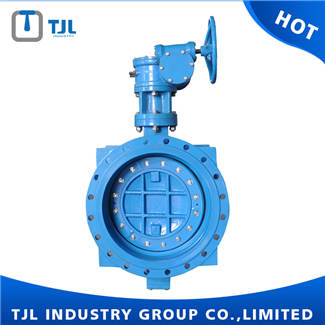
Friction is a primary cause of wear and eventual failure in any mechanical system. For a butterfly valve, the constant rotation of the shaft within the valve body creates significant stress, particularly in high-cycle applications. This is where material selection becomes paramount. The incorporation of copper alloy shaft sleeves provides a distinct advantage by creating a low-friction interface between the shaft and the body. This reduces the operational torque required to open and close the valve, which not only saves energy but also minimizes strain on the actuator and other components. Furthermore, copper alloys are inherently resistant to corrosion and galling, ensuring smooth operation even when exposed to aggressive media like sea water or treated sewage. Complementing this is the use of robust cylindrical pins to connect the shaft to the disc. These pins ensure efficient and secure torque transfer, preventing slippage or shearing that could lead to a loss of control. A reputable butterfly valve manufacturer understands that these internal structural details are what truly define a valve’s longevity, transforming it from a simple component into a dependable long-term asset. The TJL Double Offset Butterfly Valve exemplifies this design philosophy, using these components to deliver consistent, low-maintenance performance.
Sealing innovations including “V” type NBR rings and “O” ring designs to prevent leaks
Effective flow control requires a valve with a reliable seal to prevent leaks. In harsh environments, sealing components are under constant attack from chemicals, temperature fluctuations, and pressure. Advanced LUG butterfly valves address this with a multi-faceted sealing system. A key innovation is the adjustable "V" type NBR sealing ring, which is specifically designed to prevent leakage along the valve shaft, a common point of failure. Its unique shape creates a self-energizing seal that tightens as pressure increases, ensuring bubble-tight shutoff. This is further supported by the double eccentric disc structure. By offsetting the disc from both the shaft centerline and the sealing plane, the design allows the disc to lift cleanly away from the seat upon opening, minimizing friction and wear. This automatic sealing pressure mechanism extends the life of the seat and reduces the likelihood of leaks over time. Additionally, the strategic use of an "O" ring design provides a secondary layer of protection while optimizing material usage and reducing manufacturing costs, a benefit passed on to those seeking Wafer Butterfly Valve wholesale solutions. An "n" type stainless steel belt adds another degree of reliability, protecting against corrosion and vibration-related issues.
Suitability of LUG butterfly valves for pressures up to 1.6 MPa and fluctuating temperatures
Industrial processes rarely operate under static conditions. They involve dynamic changes in pressure and temperature that can challenge the integrity of system components. A LUG butterfly valve’s suitability for harsh environments is proven by its ability to perform reliably under these fluctuating conditions. The TJL Double Offset Butterfly Valve, for instance, is rated for pressures up to 1.6 MPa, making it suitable for a wide range of medium-pressure applications in water treatment, marine systems, and industrial processing. Its robust construction, featuring a ductile iron body and a stainless steel inlaid valve seat, provides exceptional resistance to scouring and abrasion from particulate matter in media like sewage or raw water. This valve is engineered to operate effectively within a temperature range of -10°C to 100°C, accommodating both cold water systems and moderately heated process fluids. This versatility allows a single valve type to be specified across multiple applications within a facility, simplifying procurement and maintenance. When selecting a butterfly valve supplier, it is critical to confirm that their products meet these demanding operational parameters. A quality butterfly valve manufacturer ensures that every component contributes to the valve's overall resilience and adaptability.
The durability of a LUG butterfly valve in challenging settings is not accidental; it is the result of deliberate design choices. Features like the double eccentric disc structure, which minimizes friction and wear on sealing components, are fundamental to achieving a long service life and leak-free operation. This attention to detail ensures the valve can handle aggressive fluids and demanding operational cycles without premature failure. For businesses seeking reliable flow control solutions, partnering with a butterfly valve manufacturer like TJL Industry Group Co., Ltd. provides access to expertly engineered products and customized options for any application.

;)
;)